
Wildlife Art for Calm Home Interiors | British Nature Decor Ideas
There is a quiet shift happening in home decor. Wildlife home decor trends are leaning softer, calmer and more personal, with hand-drawn art, natural palettes and meaningful pieces becoming the heart of many interiors. For those seeking a sense of stillness within their walls, British wildlife art offers a gentle way to bring the outdoors in without overwhelming the senses. Rather than loud, busy prints, the presence of a barn owl, a hare, or a robin framed on the wall invites a moment of pause, a reminder of the quiet corners of the natural world that so often bring us peace.
This kind of artwork does not shout for attention. It sits quietly, letting its detailed character and warm personality settle into a room over time. Wildlife art for calm home interiors is about more than decoration; it is about creating an atmosphere where you can breathe more slowly, notice more deeply, and feel more connected to something larger than daily life. Whether displayed alone as a focal point or grouped with other nature-inspired pieces, the right animal portrait can transform a space into a refuge.
The Quiet Beauty of British Wildlife Art
British wildlife holds a special place in the heart of the countryside. Creatures such as the barn owl, the stag, the harvest mouse, the robin, and the hare carry a sense of familiarity and charm that feels both personal and timeless. When depicted in soft, detailed artwork, they become more than images, they become companions in the room. There is something wonderfully soothing about the way a beautifully painted animal can bring the whole energy of the natural world into a home, yet remain calm and unobtrusive.
Wildlife artwork featuring apex animals, such as a stag, brings a sense of balance and confidence into a space without overwhelming it. The stag, with its steady gaze and noble posture, can anchor a room with quiet strength. Meanwhile, a robin perched on a branch or a hare resting in long grass offers a gentler presence, perfect for corners where you unwind. Each animal carries its own energy, and choosing the right one for each space allows you to craft the mood you desire, restful, grounded, or gently uplifting.
This style of art works especially well in homes that already lean towards natural textures: linen, wood, stone, and soft greens or earthy neutrals. The muted tones and intricate details of a coloured pencil drawing complement these materials, creating a layered, lived-in feel that is neither stark nor cluttered. It is decor that feels intentional, not busy.
Why Coloured Pencil Art Fosters Calm
Not all wildlife art is created equal in its effect on the atmosphere of a room. Bold, high contrast prints or photographic images can energise a space, but for those aiming for calm, the medium of coloured pencil offers a noticeably softer experience. The fine, layered strokes of coloured pencil create a texture that feels more personal and intimate, as though the artist sat with the subject for hours, carefully drawing every feather and whisker. This hand-drawn quality gives the artwork a warmth that digital prints often lack.
Because coloured pencil art tends to have softer edges and gentler colour transitions, it blends into a room rather than dominating it. A barn owl depicted in cream, brown, and grey will harmonise with a neutral wall, while a robin’s red breast can provide a subtle focal point without jarring against a calm palette. The medium itself feels slower, more deliberate, and that patient quality translates into the feeling of the room. It invites you to look closer, to appreciate the detail, and to stay still for a while.
Many wildlife artists, including those working in the British tradition, choose coloured pencil precisely for this reason. It allows them to capture the lifelike detail and character of an animal while preserving a softness that suits quiet interiors. For a bedroom or a reading corner, this is an ideal match.
Choosing the Right Animal for Each Room
Bedrooms
Bedrooms are wonderful for softer, peaceful pieces like a deer, owl, or fox because they help create a more restful atmosphere. A sleeping hare or a harvest mouse tucked into a stem can evoke the calm end of the day, making it easier to transition into sleep. Placing a framed print above the bed or on a wall opposite the door allows it to be the last thing you see before turning out the light, a gentle, grounding image to carry into your dreams.
Living Rooms and Reading Corners
Living rooms can handle a slightly bolder presence. A stag with antlers raised, or a barn owl in flight, brings a sense of balance and quiet confidence to the main gathering space. In a reading corner, a robin perched on a branch, or a hare watching from the edge of a field, creates a focal point that encourages stillness. These pieces do not compete with conversation or television; rather, they offer a visual anchor that makes the room feel more rooted and intentional. Pair them with a comfortable armchair, a soft throw, and a side table with a mug of tea, and the corner becomes a true retreat.
Styling Wildlife Art for a Lived In Home
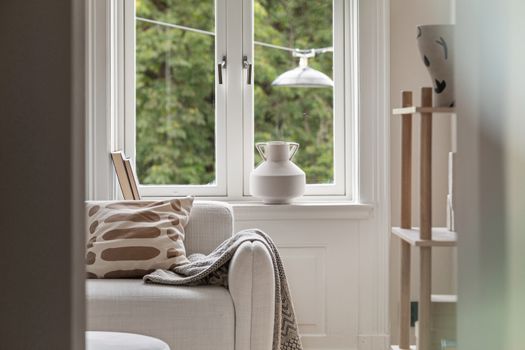
The beauty of wildlife art for calm home interiors lies in its flexibility. It does not demand a minimalist, gallery style arrangement. In fact, it thrives in the kind of layered, collected look that grows over time. Lean a framed print on a shelf against a stack of books, or hang it at eye level in a small grouping with other nature-themed pieces. Because the colours are natural and muted, they will not clash with existing furnishings or artwork.
Mugs and coasters featuring the same animal motifs can echo the wall art, creating a cohesive feel without being matchy. A hare coaster on a side table, or a robin mug on the kitchen counter, extends the calm presence of the artwork into daily rituals. These small touches reinforce the connection to nature throughout the home, making the feeling of peace more accessible in every room.
Consider the framing as part of the overall aesthetic. A simple wooden frame, perhaps in oak or walnut, keeps the focus on the artwork itself. White or cream mats can help the piece breathe, especially if the wall colour is darker. The goal is for the art to feel like a window into a quiet landscape, not an object demanding attention.
The Emotional Connection to Nature Indoors
Bringing wildlife art into the home goes beyond decoration. It creates an emotional bridge to the natural world, even in the middle of a busy town. Each time you glance at a barn owl or a stag, you are reminded of the countryside, of early mornings, of the quiet patience of animals going about their lives. This connection has a calming effect on the mind, lowering stress and encouraging mindfulness.
In a time when many homes feel fast and filled with screens, a piece of hand-drawn wildlife art offers a counterbalance. It asks nothing of you except to be seen. Over weeks and months, it becomes part of the background texture of your life, a steady presence that quietly says, “Here is a place of rest.” That is perhaps the most valuable quality wildlife art can bring to an interior: not just visual appeal, but a lasting sense of peace.
Frequently Asked Questions
What type of wildlife art is best for a calm home?
Soft, hand-drawn pieces in muted natural colours work best for calm interiors. Coloured pencil art, with its gentle textures and subtle tones, creates a restful atmosphere without overwhelming the room. British wildlife subjects such as barn owls, hares, and robins are ideal for their quiet, familiar presence.
Which rooms are most suitable for wildlife art?
Bedrooms are wonderful for softer, peaceful pieces like a deer, owl, or fox, as they help create a restful atmosphere. Living rooms can suit a stag or barn owl for balanced confidence. Reading corners also benefit from a single piece that encourages stillness and contemplation.
How should I style wildlife art in a relaxed interior?
Frame the artwork in simple wood or light metal to keep the focus on the image. Lean prints against shelves or group them with other nature inspired items. Natural textiles and neutral walls help the art blend into a lived in, comfortable space rather than standing out as a focal point.
Does wildlife art work in modern or minimalist homes?
Yes. Black and white wildlife art is especially suited to modern and minimalist rooms, where it focuses on light, contrast and texture to create calm, timeless spaces. However, coloured pencil pieces with soft palettes also complement minimalist interiors by adding warmth without clutter.
Can wildlife art be combined with other decor styles?
Wildlife art pairs naturally with rustic, country, woodland, and nature inspired interiors. It also works in contemporary settings when the artwork is simple and the framing is clean. The key is to choose pieces that share a muted, natural colour palette for a cohesive look.
Whether you are drawn to the steady gaze of a stag or the delicate form of a harvest mouse, wildlife art offers a gentle way to fill your home with quiet character. It slows the eye, calms the mind, and reminds you of the soft, beautiful world just beyond the window.